

Yamaha WaveRunner Wrap Styles: Top Designs for 2026
Yamaha WaveRunner wrap styles are vinyl graphic designs that transform your watercraft’s appearance, delivering customization, surface protection, and visual personality in one package. The industry term for these graphics is “personal watercraft vinyl wraps,” and they cover everything from full-body color changes to precision-cut graphic kits. Whether you ride a FX Cruiser SVHO, a VX Cruiser HO, or a GP1800R WAVERUNNER, the right wrap turns a stock machine into something that reflects your style. Ipdjetskigraphics has spent over two decades helping WaveRunner owners find the exact look they want, and this guide covers every major style worth knowing.
1. Top Yamaha WaveRunner wrap styles and their unique features
Vinyl wrap styles range from matte and gloss finishes to race-inspired graphics and camouflage, giving WaveRunner owners a broad palette to work with. Each style carries its own visual identity and practical trade-offs. Here are the most popular options:
Race-inspired graphic kits
Race graphics use bold lines, aggressive color contrasts, and angular shapes that mirror professional PWC competition aesthetics. These kits typically feature high-gloss laminate for a sharp, eye-catching finish on the water. They work best on performance models like the GP1800R WAVERUNNER, where the visual language matches the machine’s speed.
- Bold color contrasts (black, red, white, neon)
- Angular stripe patterns and sponsor-style lettering
- High-gloss protective laminate finish
- Designed for model-specific fitment
Clean color-block wraps
Color-block designs use two or three solid colors divided by clean geometric lines. The result is a modern, minimal look that ages well and photographs cleanly. This style suits riders who want a premium appearance without aggressive graphics.
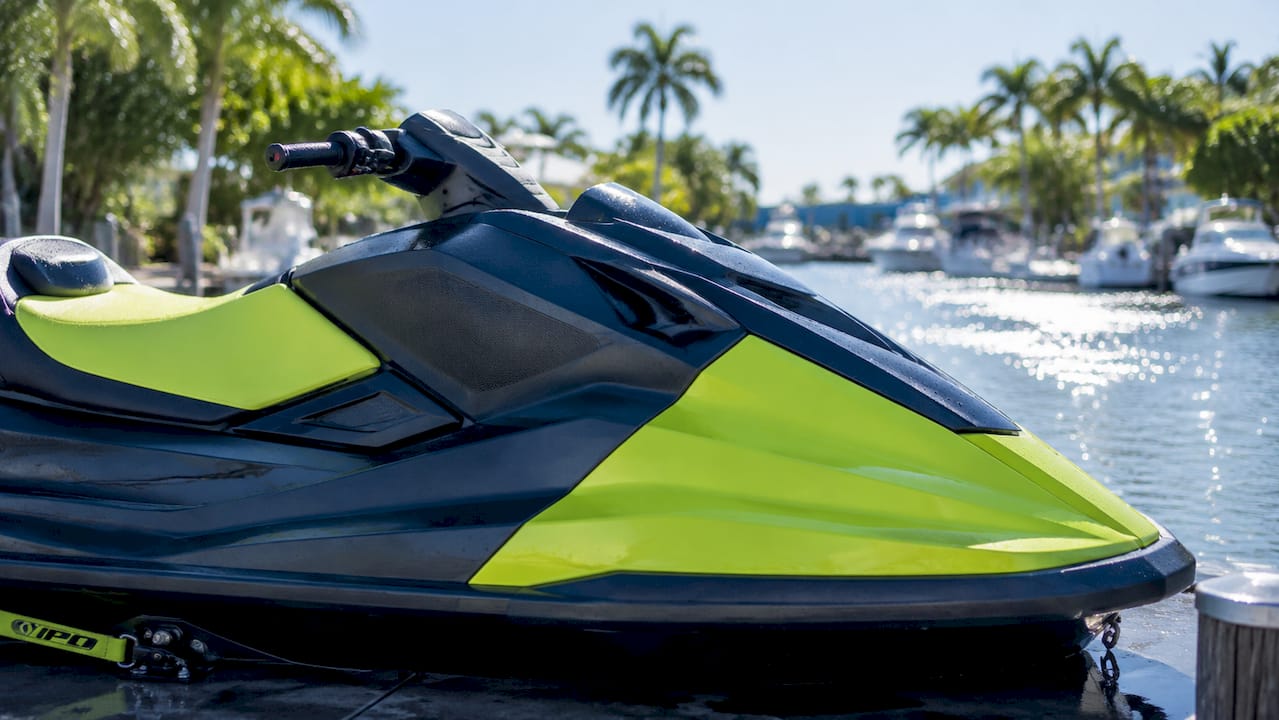
Camo patterns
Camo wraps are popular with hunters and anglers who use their WaveRunner in natural settings. Woodland, marsh, and digital camo patterns blend into outdoor environments and add a rugged character to the craft.
Carbon fiber and metallic finishes
Carbon fiber vinyl and metallic wraps create a high-end visual effect without the cost of actual materials. These finishes add texture and depth that standard paint cannot replicate. They pair well with chrome or brushed aluminum trim accents.
Custom artwork and logo wraps
Fully custom designs let you incorporate personal logos, sponsor branding, or original artwork. Ipdjetskigraphics offers custom graphic kits with 18 color options, so you can build a design that no other WaveRunner on the water shares.
Pro Tip: Order a digital proof before committing to a full custom kit. Seeing your design on a WaveRunner template catches layout issues before vinyl is cut.
2. How do Yamaha WaveRunner wrap options differ in material and durability?
Marine-grade vinyl offers UV resistance, water and salt exposure protection, and abrasion durability, making it the right material for WaveRunner wraps. Not all vinyl is equal, and the finish type you choose affects both appearance and lifespan.
| Vinyl type | UV resistance | Water resistance | Durability | Best use |
|---|---|---|---|---|
| Gloss | High | High | 5–7 years | Show quality, racing |
| Matte | Medium | High | 4–6 years | Recreational, touring |
| Satin | High | High | 5–7 years | Premium recreational |
| Textured (carbon fiber) | Medium | Medium | 3–5 years | Accent panels |
| Camo print | High | High | 4–6 years | Outdoor, fishing use |
Gloss vinyl reflects light sharply and resists surface contamination better than matte. Matte finishes absorb light and hide minor surface imperfections, but they require more careful cleaning since abrasive products dull the surface. Satin sits between the two and has become a popular choice for riders who want a refined look without the mirror-like sheen of full gloss.
Vinyl thickness matters as much as finish type. Thicker cast vinyl conforms better to compound curves on a WaveRunner hull and resists lifting at edges. Calendered vinyl is less expensive but shrinks over time, especially in direct sun. For a WaveRunner that spends long days on the water, cast vinyl with a UV-protective laminate is the correct choice.
Pro Tip: Always ask your supplier whether the vinyl is cast or calendered. Cast vinyl costs more upfront but lasts significantly longer on curved watercraft surfaces.
3. What are the key steps and tools for Yamaha WaveRunner wrap installation?
A clean, properly prepared surface is the single most important factor in wrap longevity. Successful DIY wrap installation requires thorough surface cleaning with soap and water, followed by degreasing with isopropyl alcohol, leaving the surface completely dry before applying vinyl.
Here are the core installation steps in order:
- Wash the hull with soap and water to remove dirt, salt, and biological residue.
- Degrease all surfaces with 70% or higher isopropyl alcohol. Pay special attention to panel edges where wax and oils accumulate.
- Measure and position the wrap before removing the backing. Use masking tape to hold panels in place while you confirm alignment.
- Peel and apply from one end, working slowly to avoid trapping air. Use a felt-edge squeegee to press vinyl flat without scratching the surface.
- Apply heat to curved sections. Heat application between 160°F and 200°F is critical for conforming vinyl to complex curves. Too much heat warps the vinyl; too little prevents proper adhesion.
- Keep the heat gun moving at all times. Maintaining consistent heat while applying vinyl is a balancing act. Static heat causes warping, so a moving heat source produces the best adhesion and finish.
- Trim excess vinyl with a sharp utility knife. Cut along panel edges and body lines for a clean finish.
- Plan seam placement carefully. Placing creases and seams in low-visibility areas and using slight overlaps or butt seams on multi-piece wraps produces a professional, durable result.
- Post-heat all edges after trimming. A final pass with the heat gun seals edges and prevents lifting during water exposure.
DIY installation is achievable for patient, detail-oriented owners. Professional installation makes sense for complex full-body wraps or custom multi-panel kits where alignment precision is critical. Ipdjetskigraphics supplies graphic installation tools alongside every kit, so you have what you need from the start.
Pro Tip: Work in a shaded, temperature-controlled space between 65°F and 80°F. Cold vinyl is stiff and tears easily; hot ambient temperatures cause vinyl to stretch unevenly during application.
4. How to enhance your WaveRunner customization with matching seat covers
A vinyl wrap that stops at the hull leaves the seat as a visual mismatch. Custom seat covers made of marine-grade vinyl with anti-slip surfaces improve aesthetics and performance, providing a precise fit and enhanced durability. Pairing your wrap with a coordinated seat cover creates a finished, intentional look that separates a custom build from a basic graphics swap.
Key benefits of matching seat covers include:
- Color coordination with your wrap’s primary and accent colors
- Anti-slip marine vinyl that keeps you positioned correctly at speed
- Custom stitching options in contrasting or matching thread colors
- Logo and branding integration directly on the seat surface
- UV-resistant materials that resist fading through full seasons of sun exposure
- Model-specific fitment for Yamaha WaveRunner models including the FX Cruiser SVHO
Matching custom seat covers combine premium marine vinyl with anti-slip properties to complement graphic kits and deliver a cohesive look across the entire watercraft. Maintenance is straightforward: rinse with fresh water after every salt water session and wipe with a mild vinyl cleaner monthly. Avoid petroleum-based products, which degrade marine vinyl over time.
5. Comparison of WaveRunner graphic styles by use case
Choosing the right waverunner graphic style depends on how and where you ride. The table below maps the most common styles to their ideal use cases, durability expectations, and maintenance demands.
| Style | Best use case | Durability | Maintenance level | Relative cost |
|---|---|---|---|---|
| Race-inspired graphics | Competition, performance riding | High | Low | Medium |
| Color-block wrap | Recreational, show display | High | Low | Medium |
| Camo pattern | Fishing, hunting, outdoor use | Medium to high | Low | Low to medium |
| Carbon fiber accent | Show quality, premium builds | Medium | Medium | Medium to high |
| Full custom artwork | Personal branding, sponsorships | High | Low | High |
| OE stock replacement | Restoration, resale value | High | Low | Low |
OE stock replacement graphics deserve a mention here. If you bought a used WaveRunner with faded or damaged factory graphics, a stock replacement kit restores the original look at a fraction of the cost of a full repaint. Ipdjetskigraphics carries OE replacement options alongside custom kits, so restoration and personalization both live in the same catalog.
Budget-conscious riders get the most value from color-block or camo wraps. Riders building a show-quality machine or a sponsored race craft should invest in full custom artwork with premium cast vinyl and a gloss laminate. The best jet ski wrap options always match the material grade to the intended use, not just the visual goal.
Key takeaways
The most effective Yamaha WaveRunner wrap combines cast marine-grade vinyl, model-specific fitment, and proper surface preparation to deliver lasting protection and a professional finish.
| Point | Details |
|---|---|
| Material grade determines lifespan | Choose cast vinyl over calendered for curved WaveRunner surfaces and longer wear. |
| Surface prep is non-negotiable | Clean with soap and water, then degrease with isopropyl alcohol before applying any vinyl. |
| Heat control protects the wrap | Keep the heat gun moving between 160°F and 200°F to conform vinyl without warping it. |
| Seat covers complete the build | Marine-grade seat covers with anti-slip surfaces add cohesion and function to any wrap. |
| Style should match your use case | Race graphics, camo, and color-block each serve different riders and riding environments. |
My take on what actually separates a great wrap from a wasted one
Most WaveRunner owners focus entirely on which style looks best in photos. That is the wrong starting point. After years of watching builds come together and fall apart, the pattern is clear: the owners who get the longest life and sharpest results out of their wraps are the ones who obsess over preparation and material quality, not just the design.
The biggest mistake I see is rushing the degreasing step. Isopropyl alcohol is not optional. Any residual wax, sunscreen, or salt residue under the vinyl creates a weak adhesion point, and those points become lifted edges within one season. A wrap that looks perfect on day one and starts peeling by August is almost always a prep failure, not a material failure.
The second mistake is underestimating the value of matching your seat cover to your wrap. Custom seat covers that coordinate with graphic kits significantly elevate the visual impact of a personalized WaveRunner. It is the detail that separates a finished build from a half-done one.
On trends: matte and satin finishes have grown steadily in popularity because they photograph well and look premium without the maintenance demands of high-gloss. Full custom artwork is also more accessible than it was five years ago, with digital printing quality at a point where photographic-level detail is achievable on vinyl. If you have been sitting on a design idea, now is a good time to execute it.
— Casey
Get your WaveRunner wrap kit from Ipdjetskigraphics
Ready to put a design on your WaveRunner that actually reflects how you ride? Ipdjetskigraphics carries an extensive lineup of graphic kits for Yamaha WaveRunner models, digitally printed on premium cast vinyl with a UV-protective laminate. You can choose from 18 standard color options or submit a fully custom design request. Every kit ships with graphic installation tools, and Ipdjetskigraphics ships worldwide from its Texas base.

Browse the full catalog of Yamaha WaveRunner graphic kits and find the style that fits your build. Whether you want a stock OE replacement, a bold race kit, or a one-of-a-kind custom design, the options are ready to order.
FAQ
What are the most popular Yamaha WaveRunner wrap styles?
Race-inspired graphics, color-block wraps, and camo patterns are the most requested styles for Yamaha WaveRunners. Full custom artwork is growing in popularity as digital printing quality improves.
How long does a WaveRunner vinyl wrap last?
A cast marine-grade vinyl wrap with UV-protective laminate lasts 5–7 years with proper care. Calendered vinyl and lower-grade materials typically last 3–5 years under regular water and sun exposure.
Can I install a WaveRunner wrap myself?
Yes, DIY installation is achievable with the right tools and preparation. You need a felt-edge squeegee, a heat gun, a sharp utility knife, and a properly degreased surface before you begin.
What temperature should I use when applying vinyl to a WaveRunner?
Apply heat between 160°F and 200°F to conform vinyl to curved surfaces. Keep the heat gun moving constantly to avoid warping the material in any one spot.
Do seat covers need to match my WaveRunner wrap?
Matching is not required, but coordinated marine-grade seat covers significantly improve the overall look of a custom build. Anti-slip marine vinyl seat covers also add functional grip during aggressive riding.


Leave a Reply
Want to join the discussion?Feel free to contribute!